
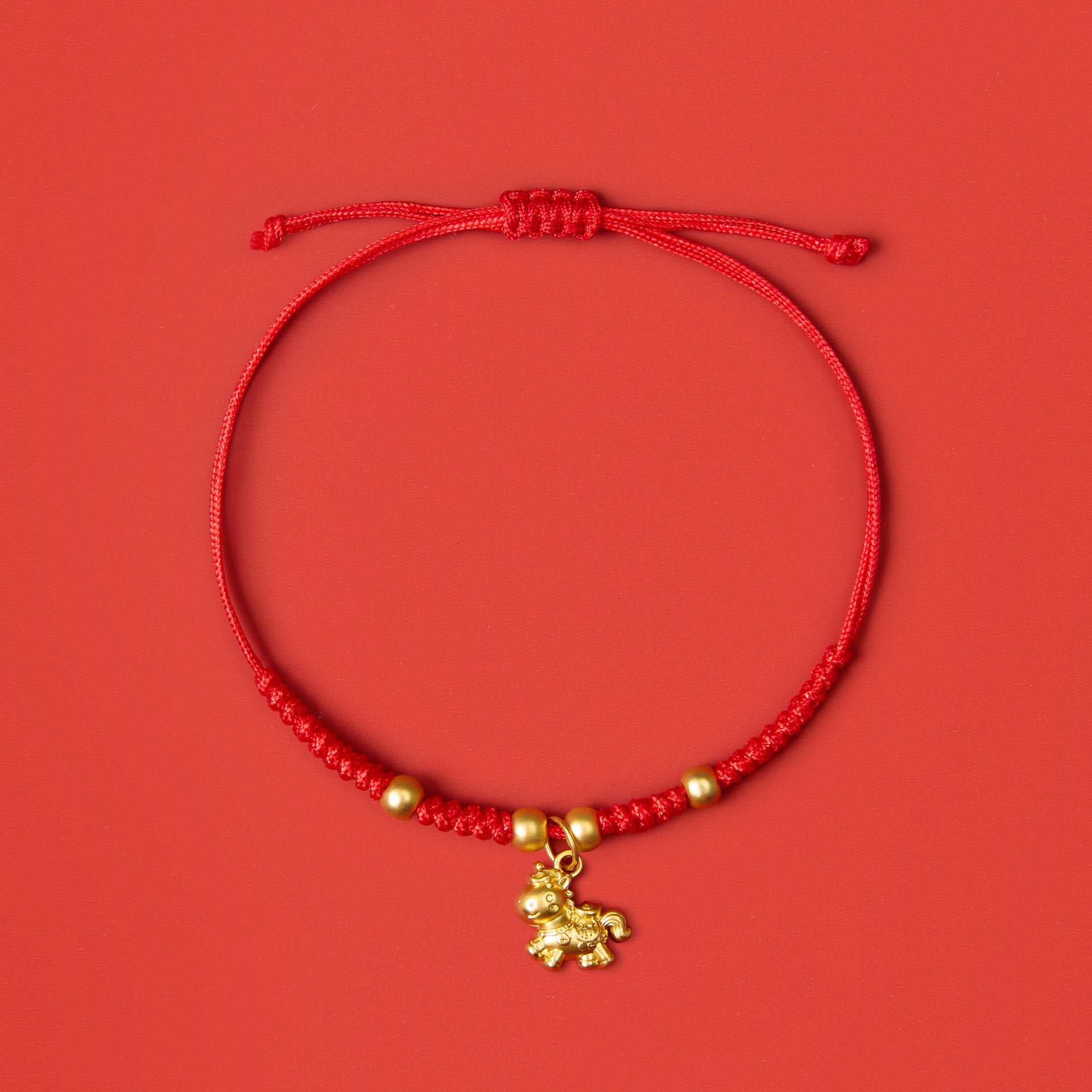

Cómo identificar una pulsera de Buda auténtica: cómo garantizar su calidad y origen

On this page
Quieres encontrar una pulsera de Buda auténtica, pero es fácil confundirse con tantas opciones en línea. La forma más rápida de empezar es comprobar los materiales, los grabados y el peso. Muchas pulseras budistas falsas parecen auténticas, pero se sienten ligeras o tienen acabados toscos. ¿Sabías que alrededor del 15 % de los productos en el mercado de suministros budistas son falsificaciones? Comprar una falsificación puede suponer riesgos para la salud , malgastar dinero o incluso apoyar a grupos criminales. Busca señales auténticas y no te conformes con menos.
Conclusiones clave
Observa detenidamente los materiales. Las pulseras de Buda auténticas usan madera y piedras. Las pulseras falsas pueden parecer ligeras o toscas.
-
Busca símbolos tallados a mano. Los auténticos tienen grabados profundos y suaves. Si los símbolos parecen impresos, probablemente sean falsos.
Usa tus sentidos para comprobarlo. Las pulseras auténticas se sienten sólidas y pueden cambiar de color más adelante. Si se sienten demasiado claras o perfectas, podría ser falsas.
Pide certificados. Los buenos vendedores demuestran su autenticidad. Si un vendedor no responde a tus preguntas, ten cuidado.
Elige vendedores de confianza. Busca aquellos que ayuden a los artesanos locales y utilicen materiales ecológicos. Las buenas reseñas de los compradores son una buena señal.
Pulsera de Buda auténtica: Identificadores clave
Calidad del material
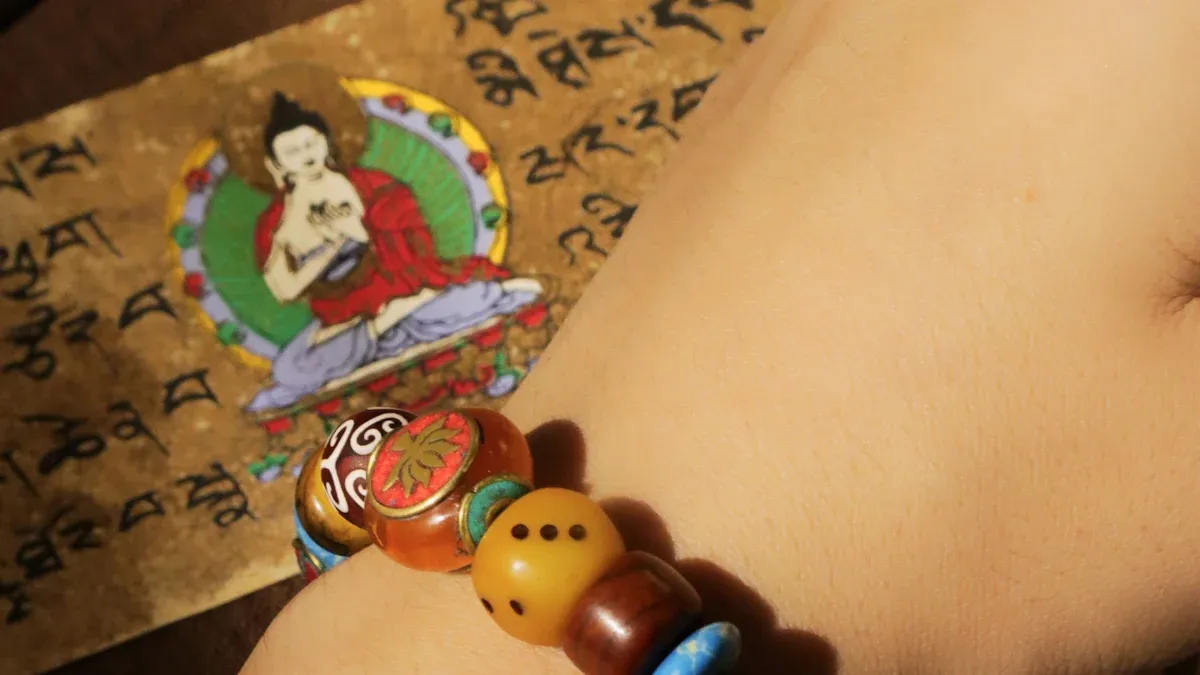
Al sostener una auténtica pulsera de Buda, lo primero que se nota es el material. Las pulseras auténticas están hechas de madera, piedras u otros materiales naturales. Se puede apreciar observando de cerca y palpando la superficie. Los expertos afirman que las mejores pulseras provienen de árboles antiguos y minas de oro puro. La siguiente tabla muestra los materiales que se deben buscar:
Tipo de material |
Descripción |
|---|---|
Madera |
Seleccionado de árboles muy viejos, mostrando orígenes naturales. |
Piedras |
Procedentes de minas limpias, garantizando así su alta calidad. |
Artesanía |
Cada pulsera está hecha a mano por personas, lo que la hace especial y artística. |
Si quieres comprobar el jade o el sándalo, prueba estas sencillas pruebas:
Cuélgate el jade del dedo y golpéalo con una moneda. El jade auténtico produce un sonido claro .
Intenta rayar el jade con metal. El jade auténtico no se raya fácilmente.
Sostén el jade a la luz. El jade auténtico deja pasar la luz.
Toca el jade. Se siente fresco, incluso en una habitación cálida.
Calienta una aguja y toca el jade. El jade auténtico no se daña.
Estos pasos le ayudarán a encontrar una pulsera de Buda auténtica y evitar las falsas.
Símbolos y mantras grabados
Busca grabados en tu pulsera. Las pulseras auténticas tienen símbolos o mantras tallados con cuidado. Podrías ver el símbolo Om, flores de loto o oraciones en sánscrito. Las líneas deben ser suaves y profundas, no ásperas ni superficiales. Si el grabado parece impreso o pintado, probablemente sea falso. Busca una pulsera que te haga sentir especial, no una hecha a máquina. Pregúntate si los símbolos parecen hechos a mano. Si es así, probablemente tengas una pulsera de Buda auténtica.
Consejo: Usa una lupa para observar los detalles. Los símbolos tallados a mano tienen pequeños defectos, pero los hechos a máquina lucen perfectos.
Cambio de peso y color
El peso puede ayudarte a saber si una pulsera es auténtica. Las pulseras auténticas se sienten más pesadas porque están hechas de materiales resistentes. Las pulseras falsas se sienten ligeras y frágiles. Por ejemplo, la madera dorada de nanmu es pesada. Si tu pulsera se siente demasiado ligera, puede que no sea auténtica.
Las pulseras de Buda reales son más pesadas porque utilizan materiales reales.
-
Las pulseras falsas se sienten más ligeras porque utilizan materiales baratos.
Si tu pulsera cambia de color con el tiempo, es buena señal. La madera auténtica y el jade adquieren pátina. Las pulseras falsas se mantienen iguales o se decoloran rápidamente.
Confía en tus sentidos. Si la pulsera se siente sólida y el color se intensifica con el tiempo, probablemente sea auténtica.
Pulsera budista: orígenes y significado
Significado espiritual
Una pulsera budista es más que una simple joya. Es una herramienta que te ayuda a concentrarte y sentir paz. Estas pulseras se han usado durante mucho tiempo. Se usan durante la meditación y la oración. Cada cuenta representa una oración o mantra especial. Esto te ayuda a llevar la cuenta mientras meditas o cantas.
A continuación se muestra una tabla sencilla para mostrar cómo la gente usa estas pulseras:
Aspecto |
Descripción |
|---|---|
Uso histórico |
Utilizado para la meditación y la oración en las tradiciones budistas e hindúes durante siglos. |
Cada cuenta representa un mantra o una oración que te ayuda a concentrarte durante la práctica. |
|
Evolución cultural |
Los diseños y materiales cambiaron a medida que las pulseras se extendieron a nuevos lugares. |
Número de cuentas |
La mayoría tiene 108 cuentas , un número con un profundo significado espiritual. |
Variaciones regionales |
En el Tíbet, se utiliza para la meditación; en China, se considera un símbolo de suerte y seguridad. |
Estas pulseras significan cosas diferentes en diferentes lugares. Aquí tienes algunos ejemplos:
Las pulseras budistas tibetanas te ayudan a meditar y cantar. Cada cuenta puede significar protección o sabiduría.
Se cree que las pulseras budistas tailandesas traen amor, felicidad y buena salud.
-
Se cree que algunos materiales, como la madera de tamarindo, traen suerte y riqueza.
Consejo: Al usar una pulsera budista, concéntrate en tu respiración y en cada cuenta. Esto te ayudará a sentirte tranquilo y centrado.
Artesanía regional
Las pulseras budistas se elaboran en muchos lugares de Asia. Algunos lugares son famosos por su artesanía. Cada región elabora las pulseras de forma especial.
La India, el Tíbet y Tailandia son conocidos por fabricar auténticas pulseras budistas.
Los artesanos utilizan materiales naturales y preciosos como oro, plata, lapislázuli y jade.
Muchas pulseras tienen símbolos o mantras grabados para agregar poder espiritual.
Cada región tiene su propio estilo, por lo que es posible que veas diferentes colores, formas o patrones.
Piensa en el origen de tu pulsera. Su historia puede hacerla más especial para ti.
Pasos de verificación práctica
Certificados y Documentación
Si quieres una pulsera de Buda auténtica, pide certificados. Los buenos vendedores te dan documentos que demuestran que la pulsera es auténtica. Estos documentos prueban que las piedras son auténticas y están hechas correctamente. Si un vendedor no te muestra los documentos o te da respuestas extrañas, ten cuidado.
A continuación se muestra una tabla que le ayudará a detectar problemas al verificar los certificados y los detalles del vendedor:
Qué significa |
|
|---|---|
Falta de transparencia |
El vendedor no responde las preguntas con claridad. |
Ausencia de certificación |
No hay certificado ni prueba de que la pulsera sea real. |
Malas críticas de los clientes |
Muchos compradores dicen que los productos son falsos o que el servicio es malo. |
Respuestas vagas |
El vendedor no dice dónde ni cómo se fabrica la pulsera. |
Consejo: Siempre pide una prueba antes de comprar. Si el vendedor se molesta o intenta presionarte, no le compres.
Prueba de tacto, textura y quemadura
Puedes usar tus sentidos para comprobar si tu pulsera es auténtica. Las pulseras auténticas se sienten suaves y rectas. Las falsas se sienten ásperas o sucias. Al tocar una gema auténtica, se siente fría y dura. Las falsas se sienten cálidas o ligeras. Si una pulsera se ve demasiado brillante o perfecta, probablemente sea falsa.
Esto es lo que debes buscar:
Las piedras preciosas reales tienen texturas especiales y pequeñas marcas.
Las pulseras falsas utilizan plástico o vidrio, que se sienten livianos y lucen demasiado perfectos.
Las pulseras reales muestran cambios de color y patrones naturales.
Característica |
Pulsera auténtica |
Pulsera falsa |
|---|---|---|
Material |
Piedras preciosas reales como la obsidiana negra y el jade. |
Plástico, vidrio o piedras teñidas. |
Apariencia |
Cambios naturales de color y textura. |
Demasiado uniforme o muy brillante |
Tocar |
Frío y duro al tacto. |
Cálido o ligero |
Puedes hacer una prueba de quemado. Calienta una aguja y toca suavemente la cuenta. El jade auténtico y la madera no se dañan. Si ves que se derrite o se quema, la pulsera es falsa.
Nota: Pruebe solo en una parte pequeña y oculta de la pulsera. No aplique demasiado calor.
Vendedores de confianza
Elegir al vendedor adecuado es fundamental. Busca a alguien que se preocupe por la calidad y ayude a la gente local. Los buenos vendedores ofrecen pulseras hechas correctamente. Muchos ayudan a artesanos tibetanos y utilizan materiales de comercio justo y ecológicos. Además, bendicen las pulseras y las envían rápidamente.
Busque estas señales al elegir un vendedor:
De origen ético y fabricado por artesanos tibetanos.
Productos elaborados con materiales respetuosos con el medio ambiente.
Envío rápido y respuestas claras.
Apoyo a la población local.
Si los vendedores evitan tus preguntas o tienen muchas malas reseñas, no les compres. Un vendedor genuino responderá a tus preguntas y te dará pruebas. Al comprar una pulsera tibetana a un buen vendedor, ayudas a mantener vivas las tradiciones y obtienes algo especial.
Consejo: Lee reseñas y pregunta a otros compradores qué opinan. Los buenos vendedores tienen clientes satisfechos y ofrecen información clara sobre sus productos.
Tipos y características comunes
Cuentas de mala
Las cuentas de mala son fáciles de encontrar al buscar una pulsera budista. La gente no las usa solo por su apariencia, sino también para orar y meditar. Las pulseras de mala suelen tener 21 o 27 cuentas, lo que facilita su uso en la muñeca. Algunas malas tienen 108 cuentas, un número especial en el budismo.
Las cuentas de mala están hechas de muchos materiales. Puedes encontrar sándalo, palo rosa, semillas o piedras preciosas como la amatista y el jade. Cada tipo de cuenta tiene su propio significado. El sándalo puede ayudarte a sentirte tranquilo . La amatista ayuda a prestar atención. Algunas personas eligen cuentas que combinan con su color favorito o con lo que desean sentir.
Aquí hay una tabla rápida sobre diferentes pulseras mala :
Tipo de Mala |
Materiales utilizados |
Simbolismo |
|---|---|---|
Malas devocionales |
Muchos colores y materiales. |
Ayudarle a desarrollar la fe y conectarse con las enseñanzas budistas. |
Malas de meditación |
Sándalo, piedras lisas |
Brinda consuelo y te ayuda a ser consciente |
Malas de muñeca |
Más corto, fácil de llevar. |
Recordarte tus metas espirituales |
Consejo: Si buscas una pulsera para meditar, elige una con cuentas lisas y naturales. Se siente bien en la mano y te ayuda a concentrarte.
Pulseras de metal, piedra y madera
Las pulseras budistas se pueden fabricar con muchos materiales. Cada una tiene un aspecto y una textura diferentes. Las pulseras de madera, como la de olivo o sándalo, te ayudan a sentirte tranquilo y estable. La madera de ébano te da fuerza y seguridad.
Las pulseras de piedra también son muy populares. La amatista puede ayudarte a sentirte tranquilo. El jade es bueno para la sanación y el equilibrio. El ojo de tigre te da una sensación de estabilidad y calidez. La obsidiana negra es una buena opción si quieres sentirte protegido.
Las pulseras de metal suelen tener símbolos o mantras tallados. Algunas son sencillas y otras muy detalladas. Las pulseras con dijes utilizan diferentes materiales y muestran símbolos de suerte o seguridad.
A continuación se muestra una tabla para ayudarle a comparar algunos tipos:
Tipo |
Características |
|---|---|
Pulseras de madera exótica |
Fabricado con maderas y piedras naturales; bueno para hombres y mujeres. |
Pulseras con dijes |
Se utiliza para protección; puede ser simple o elegante. |
Pulseras de meditación Mala |
Se utiliza para contar oraciones; fácil de sostener y usar. |
Pulseras Benditas |
Mostrar imágenes de Buda; representar la cultura budista |
Al elegir una pulsera budista , piensa en el significado que quieres que tenga. El material y el estilo adecuados pueden ayudarte a sentirte tranquilo, fuerte y seguro a diario.
Identificar una auténtica pulsera de Buda es más fácil cuando sabes qué buscar. Busca materiales naturales , grabados nítidos y una sensación de solidez. Pide siempre un certificado a un vendedor de confianza. Los expertos recomiendan elegir una pulsera que se ajuste a tus necesidades y creencias . ¿Quieres una lista rápida? Prueba estos pasos:
Cuidado con las promesas falsas.
Comprueba las siete piedras.
Lee los nombres de las piedras.
Mira la clasificación de las piedras.
Detecta piedras falsas o reconstituidas.
Observe las marcas en el cordón de la pulsera.
Confía en tus instintos y elige la calidad.
Elige pulseras que te queden bien y que provengan de fuentes honestas. ¡La calidad y el origen son lo más importante!
Preguntas frecuentes
¿Cómo saber si una pulsera de Buda es falsa?
Comprueba si las cuentas son de plástico o si son muy ligeras. Las pulseras auténticas están hechas de materiales naturales y tienen diseños tallados a mano. Si ves símbolos impresos, es posible que no sean auténticas. Los vendedores que no responden preguntas ni entregan certificados podrían estar ocultando algo. Ten siempre cuidado con estos vendedores.
¿Las pulseras de Buda deben ser bendecidas?
No todas las pulseras están bendecidas. Algunos vendedores ofrecen bendiciones para darle un significado especial. Si quieres que tu pulsera esté bendecida, pregunta antes de comprarla.
¿Puedes usar una pulsera de Buda todos los días?
Sí, puedes usar tu pulsera a diario. Mucha gente la usa para meditar o para mantener la calma. Mantén tu pulsera limpia y no la trates con productos químicos fuertes.
¿Qué materiales son los mejores para las pulseras de Buda?
Material |
Beneficios |
|---|---|
Sándalo |
Huele calmante |
Jade |
Ayuda con la curación |
Obsidiana negra |
Te mantiene seguro |
Amatista |
Te ayuda a concentrarte |
Elige el material que más se adapte a lo que necesitas o te guste.