

Can Non Religious People Wear a Red String Bracelet Respectfully?

On this page
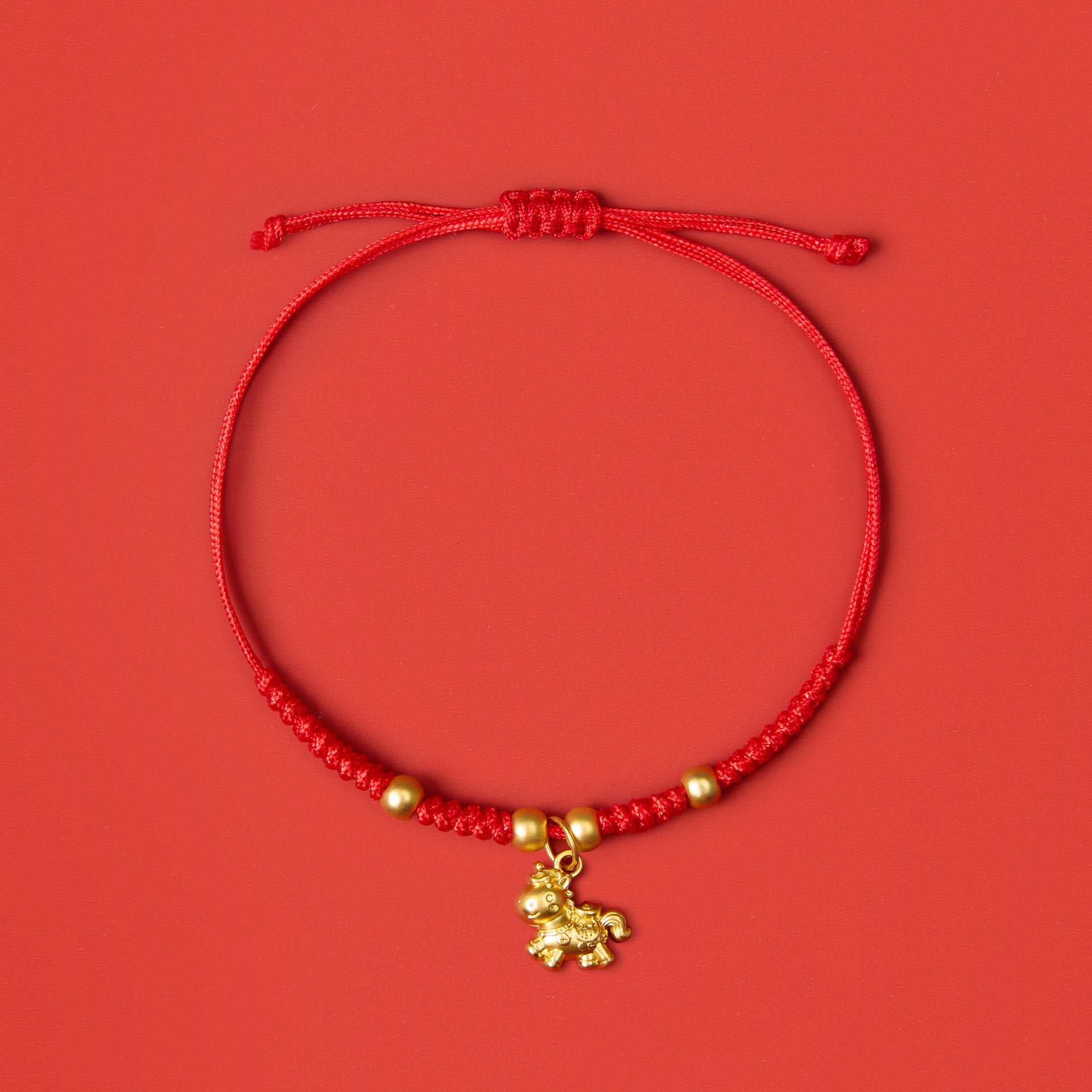
A red string bracelet can look like the simplest thing in the world: just a thin scarlet cord, a knot, and a little bit of intention.
But if you’ve ever paused before putting one on—wondering “Can non religious people wear a red string bracelet respectfully?”—that pause is already a good sign. This FAQ is for non-religious (and spiritually curious) people who want to wear red string with care, without pretending to belong to a tradition they don’t practice.
If you’re also deciding what kind to wear, it helps to browse a focused assortment first—here’s KarmaBless’s curated red string bracelets collection, so you can compare symbols, materials, and styles before you pick one.

Quick answer: can non religious people wear a red string bracelet respectfully?
Yes—in most everyday contexts, non-religious people can wear a red string bracelet respectfully, as long as you don’t (1) claim religious authority you don’t have, (2) flatten the bracelet into one “universal” meaning, or (3) use it as a costume or a joke.
A respectful approach looks like: learning the basics, acknowledging there are multiple traditions, and keeping your language humble.
Pro Tip: If you’re unsure, default to “This is meaningful to me personally, and I’m trying to honor the traditions it comes from.”
FAQ group 1: Meaning and origins (without flattening the traditions)
Red string bracelet meaning different cultures: what does it symbolize?
It depends on the tradition. Red string can symbolize protection, blessing, luck, fate, devotion, or mindfulness—but the meaning changes based on where the practice comes from.
For a broad overview of how KarmaBless describes the symbolism across cultures, see KarmaBless’s guide to what a red string bracelet is.
Is red string “religious,” or can it be non-religious?
It can be both. In some settings, a red thread is explicitly religious (tied during a ceremony, blessed by a teacher, or connected to a devotional practice). In other settings, people wear it as a personal reminder—like a mindfulness cue.
The respectful move is not to erase the religious meaning or claim it if you’re not practicing it.
Is it cultural appropriation to wear a red string bracelet?
Not automatically. Cultural appropriation is more about context and behavior than the object itself.
It becomes more likely to feel appropriative if you:
-
present it as “authentically” part of a tradition you don’t belong to
-
use it as an “exotic” aesthetic without acknowledging living cultures
-
make exaggerated claims about spiritual power or guaranteed protection
It’s generally more respectful if you:
-
learn where your bracelet design was inspired from
-
avoid turning sacred language into marketing or a costume
-
are willing to listen if someone from that culture shares concerns
FAQ group 2: Judaism/Kabbalah questions (a common sensitivity)
If I’m not Jewish, can I wear a red string bracelet associated with Kabbalah?
You can wear a red string bracelet, but be careful about how you describe it.
A good, accurate baseline is: some people associate red string with Kabbalah-influenced practice and protection symbolism—but it’s not a universal or required Jewish practice.
If you’re non-religious, the safest respectful approach is to avoid presenting your bracelet as a “Jewish ritual object” and instead describe it plainly as a personal symbol that you’re wearing with care.
Should I say it’s for “the evil eye” if I don’t practice that belief?
If you don’t actually hold that belief, it’s usually better to avoid claiming it.
You can say you’ve heard that “evil eye” is one interpretation, and then ground your own meaning in something honest (like mindfulness, personal intention, or a reminder to stay kind).
If you prefer to keep things simple and non-dogmatic, treat the bracelet as an intention cue—choose a symbol you genuinely connect with (knot, clover, etc.), and let your behavior do the “speaking,” not grand claims.
What’s the most respectful way to handle questions from Jewish friends?
Lead with humility, not certainty.
Try:
-
“I know this symbol shows up in a few traditions. I’m not claiming it as a Jewish practice—I’m wearing it as a personal reminder, and I’m trying to be respectful.”
If they want to share their perspective, let them. The goal isn’t to win an argument—it’s to stay in relationship.
FAQ group 3: “How do I wear it?” etiquette (wrist, knots, rituals)
Red string bracelet left or right wrist meaning: which is correct?
There isn’t one universal “correct.” Different traditions place meaning on different wrists, and modern wear is often flexible.
For example, many Kabbalah-style explanations emphasize the left wrist, while some Hindu and Buddhist settings tie cords on the right wrist. KarmaBless summarizes these variations in its red string bracelet placement guide.
If you want a respectful default when you’re non-religious, pick one of these:
-
Practical default: wear it where it’s comfortable and least likely to snag
-
Intentional default: choose the side that feels like “receiving” (left) or “doing” (right) for you
Do I need to “activate,” bless, or ritualize it?
No. If you’re non-religious, it’s completely fine to skip rituals.
If you do want a gentle, non-dogmatic practice, keep it simple:
-
Pause for 10 seconds.
-
Choose a clear intention (one sentence).
-
Tie it on carefully.
If you’re curious about the many ways people approach intention-setting across traditions, KarmaBless has a practical overview in how to activate a red string bracelet. Read it as “options people do,” not “rules you must follow.”
Is it disrespectful if I bought it online instead of receiving it from someone?
Not necessarily. The bigger respect signals are (1) honesty about what it means to you, and (2) choosing sources that don’t make extreme, manipulative claims.
If you want buying guidance that focuses on materials and authenticity (without the hype), KarmaBless shares practical tips in where to buy red string bracelets.
If you’d like a few concrete examples to start with, these are simple, symbolic options from KarmaBless’s red string bracelets collection:
-
A cinnabar clover motif like the Cinnabar Clover Luck Amplifier Red String Bracelet.
-
A classic luck symbol such as the Cinnabar Four-Leaf Clover Red String Bracelet.
-
A knot-based symbol for calm, everyday wear like the Lucky Scarlet Peace Knot Red String Bracelet.

What if it breaks—does it mean something?
Some people interpret a break as symbolic (like “it did its job” or “it’s time to renew”). Others treat it as simple wear-and-tear.
If you’re trying to stay respectful and grounded, you can hold both truths:
-
it might feel meaningful to you
-
it doesn’t need to become a fear story
⚠️ Warning: If any source tells you a broken bracelet means you’re “cursed” or must pay for a fix, treat that as a red flag.
How to wear red string bracelet respectfully
A simple mindset (sample language for real life)
Start with honesty, not performance:
-
Wear it because it helps you remember a value (kindness, calm, protection, devotion, commitment).
-
Speak about it as personal unless you’re actually practicing a specific tradition.
-
Keep your claims smaller than your curiosity.
That’s it. Respect is mostly about how you carry yourself—quietly, consistently, and with room to learn.
What do I say if someone asks “Is that a Kabbalah bracelet?”
Short, casual:
-
“It’s a red string bracelet. I know it has different roots in different traditions—I’m wearing it as a personal reminder.”
Longer, thoughtful:
-
“I’ve read that red string shows up in a few cultures, including Kabbalah-influenced practice, but I’m not claiming it as a religious symbol. For me it’s about intention and staying mindful.”
What do I say if someone tells me it’s inappropriate?
Start with listening. Then respond without defensiveness.
Try:
-
“Thank you for telling me. I don’t want to be disrespectful—can you share what feels off about it? I’m open to learning.”
If the conversation stays respectful, that one sentence does more than any perfect “rule.”
What’s a respectful Instagram caption for a red string bracelet if I’m not religious?
Pick one of these templates:
-
“A small reminder to move through today with steadier energy and kinder choices. I know red string has meaning in multiple traditions, and I’m wearing mine with respect.”
-
“Wearing this as an intention bracelet—not claiming a tradition, just honoring the wisdom behind it.”
-
“A simple thread, a clear intention.”
A simple respect checklist (keep it practical)
If you want a quick self-check before you wear or post about your bracelet:
-
Do I understand that it has real cultural/religious roots?
-
Am I avoiding claims I can’t stand behind? (no “guaranteed protection,” no “ancient power” hype)
-
Am I open to correction without getting defensive?
-
Am I representing it honestly? (“personal reminder” vs “authentic ritual”)
-
Am I supporting makers/sources that treat the tradition with care?
Next steps (KarmaBless)
If you’d like a practical next step, start by browsing KarmaBless’s red string bracelets collection and pick one symbol you can explain in one honest sentence (luck, calm, protection, commitment—whatever’s true for you). For example, a knot-based design like the Lucky Scarlet Peace Knot Red String Bracelet keeps the look simple while giving you a clear personal cue.
And if you’re in a season of change—new job, new city, new chapter—KarmaBless’s free BaZi tool can help you reflect on what kind of energy you’re trying to cultivate, so your symbolism stays personal instead of performative.