

You want to spot an authentic buddha bracelet, but it’s easy to get confused by all the choices online. The quickest way to start is by checking the materials, engravings, and weight. Many fake buddhist bracelets look real but feel light or have rough finishes. Did you know that about 15% of products in the Buddhist supplies market are actually counterfeit? Buying a fake can lead to health risks, wasted money, or even support criminal groups. Look for real signs and don’t settle for less.
Key Takeaways
Look at the materials closely. Real Buddha bracelets use wood and stones. Fake bracelets can feel light or look rough.
Search for hand-carved symbols. Real ones have deep and smooth engravings. If symbols look printed, they are probably fake.
Use your senses to check. Real bracelets feel solid and may change color later. If it feels too light or perfect, it may be fake.
Ask for certificates. Good sellers show proof that it is real. If a seller does not answer questions, be careful.
Pick sellers you can trust. Find ones who help local artisans and use eco-friendly materials. Good reviews from buyers are a good sign.
Authentic Buddha Bracelet: Key Identifiers
Material Quality
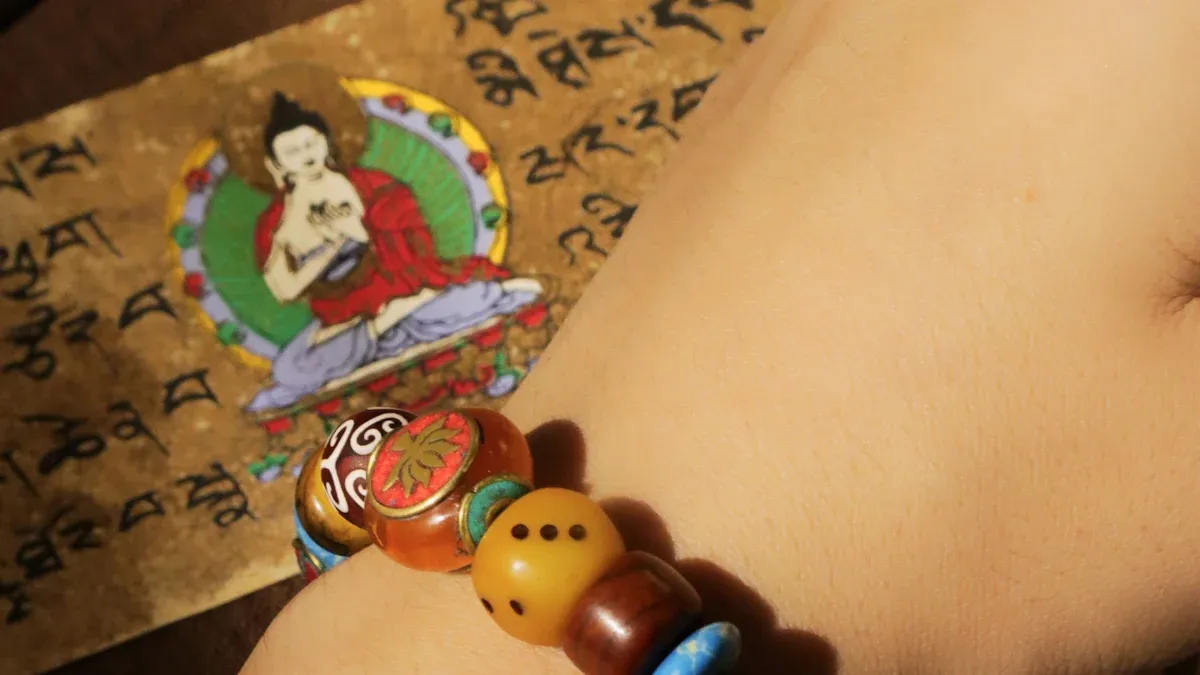
When you hold a real buddha bracelet, you notice the material first. Real bracelets use wood, stones, or other natural things. You can tell by looking closely and feeling the surface. Experts say the best bracelets come from old trees and pure mines. The table below shows what materials to look for:
Material Type |
Description |
|---|---|
Wood |
Picked from very old trees, showing natural origins. |
Stones |
Taken from clean mines, making sure they are high quality. |
Craftsmanship |
Each bracelet is shaped by people, making it special and artistic. |
If you want to check jade or sandalwood, try these easy tests:
Hang jade on your finger and tap it with a coin. Real jade makes a clear sound.
Try to scratch the jade with metal. Real jade does not scratch easily.
Hold jade up to light. Real jade lets some light through.
Touch the jade. It feels cool, even in a warm room.
Heat a needle and touch the jade. Real jade does not get damaged.
These steps help you find a real buddha bracelet and avoid fake ones.
Engraved Symbols and Mantras
Look for carvings on your bracelet. Real bracelets have symbols or mantras carved with care. You may see the Om symbol, lotus flowers, or Sanskrit prayers. The lines should be smooth and deep, not rough or shallow. If the carving looks printed or painted, it is probably fake. You want a bracelet that feels special, not one made by a machine. Ask yourself if the symbols look hand-made. If yes, you probably have a real buddha bracelet.
Tip: Use a magnifying glass to look at the details. Hand-carved symbols have tiny flaws, but machine-made ones look perfect.
Weight and Color Change
Weight can help you know if a bracelet is real. Real bracelets feel heavier because they use strong materials. Fake bracelets feel light and weak. For example, golden nanmu wood is heavy. If your bracelet feels too light, it may not be real.
Real buddha bracelets are heavier because they use real materials.
Fake bracelets feel lighter because they use cheap materials.
If your bracelet changes color over time, that is a good sign. Real wood and jade get a patina. Fake bracelets stay the same or fade fast.
Trust your senses. If the bracelet feels solid and the color gets deeper with age, you probably have a real one.
Buddhist Bracelet: Origins and Significance
Spiritual Meaning
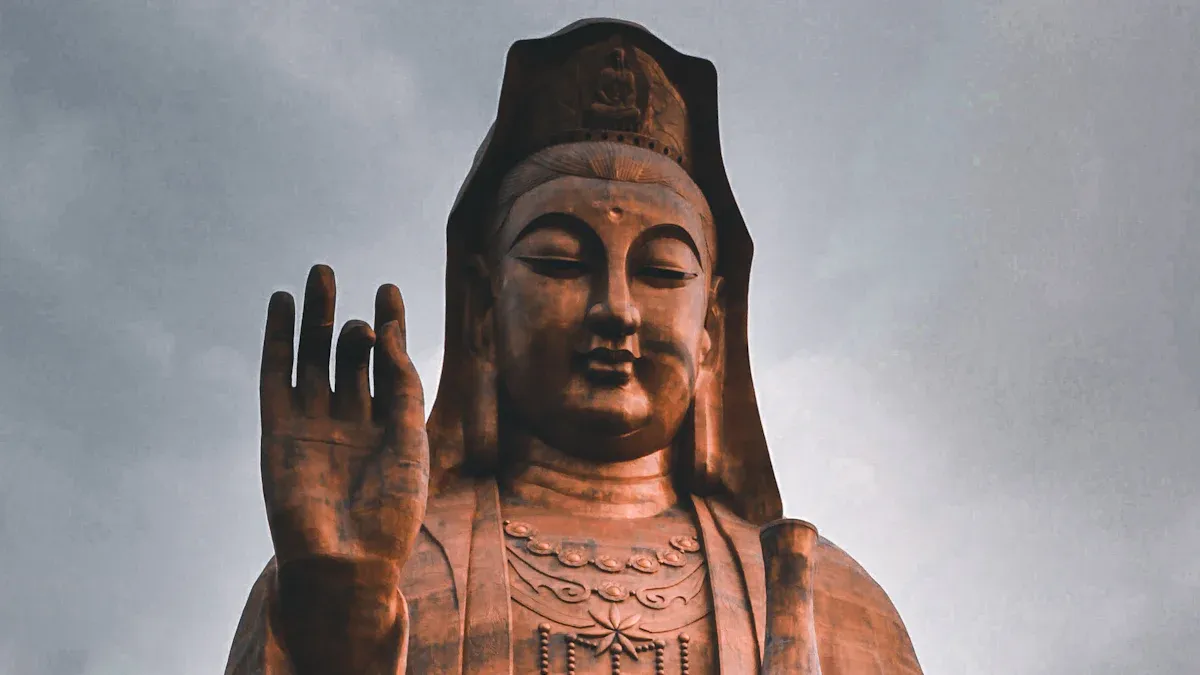
A buddhist bracelet is more than just jewelry. It is a tool to help you focus and feel peaceful. People have used these bracelets for a long time. They use them during meditation and prayer. Each bead stands for a special prayer or mantra. This helps you keep count as you meditate or chant.
Here is a simple table to show how people use these bracelets:
Aspect |
Description |
|---|---|
Historical Use |
Used for meditation and prayer in Buddhist and Hindu traditions for centuries. |
Each bead stands for a mantra or prayer, helping you focus during practice. |
|
Cultural Evolution |
Designs and materials changed as bracelets spread to new places. |
Number of Beads |
Most have 108 beads, a number with deep spiritual meaning. |
Regional Variations |
In Tibet, used for meditation; in China, seen as a symbol of luck and safety. |
These bracelets mean different things in different places. Here are some examples:
Tibetan buddhist bracelets help you meditate and chant. Each bead can mean protection or wisdom.
Thai buddhist bracelets are believed to bring love, happiness, and good health.
Some materials, like tamarind wood, are thought to bring luck and wealth.
Tip: When you use a buddhist bracelet, focus on your breath and each bead. This can help you feel calm and centered.
Regional Craftsmanship
Buddhist bracelets are made in many places in Asia. Some places are famous for their skill. Each region makes bracelets in a special way.
India, Tibet, and Thailand are known for making real buddhist bracelets.
Craftspeople use natural and precious materials like gold, silver, lapis lazuli, and jade.
Many bracelets have engraved symbols or mantras to add spiritual power.
Each region has its own style, so you may see different colors, shapes, or patterns.
Think about where your bracelet comes from. The story behind it can make it more special to you.
Practical Verification Steps
Certificates and Documentation
If you want a real buddha bracelet, ask for certificates. Good sellers give you papers that show the bracelet is real. These documents prove the stones are real and made the right way. If a seller will not show you papers or gives strange answers, be careful.
Here is a table to help you spot problems when checking certificates and seller details:
What It Means |
|
|---|---|
Lack of transparency |
Seller does not answer questions clearly. |
Absence of certification |
No certificate or proof the bracelet is real. |
Poor customer reviews |
Many buyers say the products are fake or service is bad. |
Vague answers |
Seller will not say where or how the bracelet is made. |
Tip: Always ask for proof before you buy. If the seller gets upset or tries to hurry you, do not buy from them.
Touch, Texture, and Burn Test
You can use your senses to check if your bracelet is real. Real bracelets feel smooth and straight. Fake ones feel rough or dirty. When you touch a real gemstone, it feels cool and hard. Fake stones feel warm or light. If a bracelet looks too shiny or perfect, it is probably fake.
Here is what you should look for:
Real gemstones have special textures and tiny marks.
Fake bracelets use plastic or glass, which feel light and look too perfect.
Real bracelets show natural color changes and patterns.
Feature |
Authentic Bracelet |
Fake Bracelet |
|---|---|---|
Material |
Real gemstones like black obsidian, jade |
Plastic, glass, or dyed stones |
Appearance |
Natural color and texture changes |
Too even or very shiny |
Touch |
Cool and hard to the touch |
Warm or light |
You can try a burn test. Heat a needle and gently touch the bead. Real jade or wood does not get hurt. If you see melting or burning, the bracelet is fake.
Note: Only test on a small, hidden part of the bracelet. Do not use too much heat.
Trusted Sellers
Picking the right seller is very important. You want someone who cares about quality and helps local people. Good sellers offer bracelets made the right way. Many help tibetan craftspeople and use fair trade, eco-friendly materials. They also bless the bracelets and send them quickly.
Look for these signs when you choose a seller:
Ethically sourced and made by tibetan artisans.
Goods made with earth-friendly materials.
Fast shipping and clear answers.
Support for local people.
If sellers avoid your questions or have many bad reviews, do not buy from them. A real seller will answer your questions and show proof. When you buy a tibetan bracelet from a good seller, you help keep traditions alive and get something special.
Tip: Read reviews and ask other buyers what they think. Good sellers have happy customers and clear product details.
Common Types and Features
Mala Beads
Mala beads are easy to find when you look for a buddhist bracelet. People do not just wear them for looks. They use them for prayer and meditation. Mala bracelets often have 21 or 27 beads. This makes them easy to wear on your wrist. Some malas have 108 beads, which is a special number in Buddhism.
Mala beads are made from many things. You might see sandalwood, rosewood, seeds, or gemstones like amethyst and jade. Each kind of bead has its own meaning. Sandalwood can help you feel calm. Amethyst helps you pay attention. Some people pick beads that match their favorite color or what they want to feel.
Here is a quick table about different mala bracelets:
Type of Mala |
Materials Used |
Symbolism |
|---|---|---|
Devotional Malas |
Many colors and materials |
Help you build faith and connect with Buddhist teachings |
Meditation Malas |
Sandalwood, smooth stones |
Bring comfort and help you be mindful |
Wrist Malas |
Shorter, easy to wear |
Remind you of your spiritual goals |
Tip: If you want a bracelet for meditation, pick one with smooth, natural beads. They feel nice in your hand and help you focus.
Metal, Stone, and Wood Bracelets
Buddhist bracelets can be made from many materials. Each one looks and feels different. Wood bracelets, like olive wood or sandalwood, help you feel calm and steady. Ebony wood can make you feel strong and safe.
Stone bracelets are also liked by many people. Amethyst can help you feel calm. Jade is good for healing and balance. Tiger’s eye gives you a steady and warm feeling. Black obsidian is a good choice if you want to feel protected.
Metal bracelets often have symbols or mantras carved on them. Some are simple, and some are very detailed. Charm bracelets use different materials and show symbols for luck or safety.
Here is a table to help you compare some types:
Type |
Features |
|---|---|
Exotic Wood Bracelets |
Made from natural woods and stones; good for men and women |
Charm Bracelets |
Used for protection; can be simple or fancy |
Mala Meditation Bracelets |
Used for counting prayers; easy to hold and use |
Blessed Bracelets |
Show images of Buddha; represent Buddhist culture |
When you choose a buddhist bracelet, think about what you want it to mean. The right material and style can help you feel calm, strong, or safe every day.
Spotting a real Buddha bracelet gets easier when you know what to check. Look for natural materials, clear engravings, and a solid feel. Always ask for a certificate from a trusted seller. Experts say you should pick a bracelet that matches your needs and beliefs. Want a quick checklist? Try these steps:
Watch out for fake promises.
Check the seven stones.
Read the names of the stones.
Look at the grading of stones.
Spot fake or reconstituted stones.
Notice marks on the bracelet string.
Trust your instincts and choose quality.
Choose bracelets that feel right for you and come from honest sources. Quality and origin matter most!
FAQ
How can you tell if a Buddha bracelet is fake?
Check if the beads are plastic or feel very light. Real bracelets use natural materials and have hand-carved designs. If you see printed symbols, it might not be real. Sellers who do not answer questions or give certificates may be hiding something. Always be careful with these sellers.
Do Buddha bracelets have to be blessed?
Not all bracelets are blessed. Some sellers offer blessings for extra meaning. If you want your bracelet blessed, ask before you buy it.
Can you wear a Buddha bracelet every day?
Yes, you can wear your bracelet every day. Many people use it for meditation or to help them stay calm. Keep your bracelet clean and do not use strong chemicals on it.
What materials are best for Buddha bracelets?
Material |
Benefits |
|---|---|
Sandalwood |
Smells calming |
Jade |
Helps with healing |
Black Obsidian |
Keeps you safe |
Amethyst |
Helps you focus |
Choose the material that fits what you need or like best.